
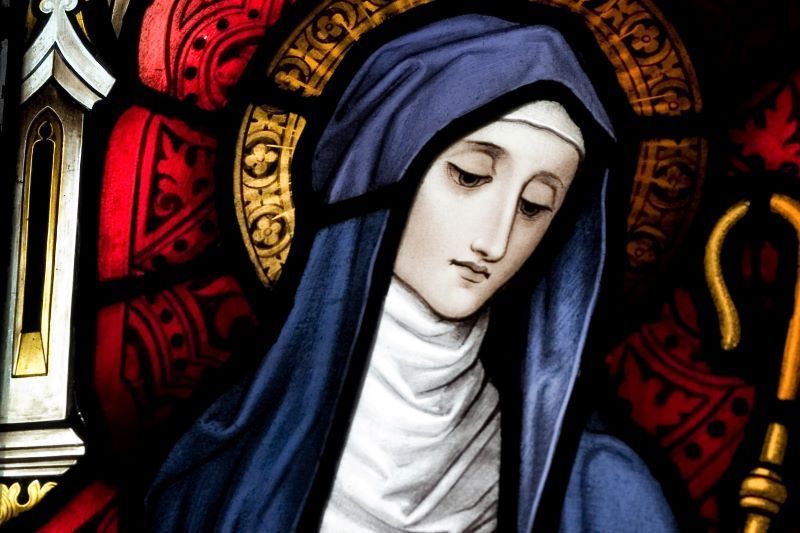
St. Brigid’s Day, celebrated on February 1, is a significant occasion in Ireland that honors both the Celtic goddess Brigid and the Christian saint of the same name. This day marks the transition from winter to spring and is steeped in rich traditions that blend ancient Celtic customs with Catholic practices.
The goddess Brigid, a prominent figure in Irish mythology, was revered for her powers of fertility, healing, and poetry. As the daughter of the Dagda, she symbolizes the renewal of life and the coming of spring. The ancient festival of Imbolc, observed on February 1 or 2, celebrates her transformation from a wise old woman into a maiden, gathering kindling to light the fires that herald the arrival of spring.
In Christian tradition, St. Brigid is often depicted as a nun and is credited with creating the famous St. Brigid’s Cross. This cross, woven from rushes, is a symbol of protection and is traditionally made on her feast day. The act of crafting the cross serves as a reminder of the connection between the earthly and the divine, embodying the spirit of hospitality and care that St. Brigid is known for.
The cross itself is said to represent the four seasons and the cyclical nature of life, echoing the themes of renewal and rebirth associated with both the goddess and the saint. Today, the tradition of making St. Brigid’s Cross continues to be a cherished practice in many Irish households, symbolizing faith and community.
As we celebrate St. Brigid’s Day, we honor the legacy of a figure who bridges the gap between ancient beliefs and modern faith, reminding us of the enduring power of tradition.
For more insights, visit the original article on IrishCentral.